
Microchipping
Microchip Your Pet for Lifelong Identification
Microchipping for Pets
Imagine for a moment that your beloved dog or cat goes missing. It’s a heartbreaking thought—one that no pet parent wants to face. But accidents can happen in a split second, even to the most careful and responsible owners. A gate gets left open, a leash slips from your hand, or your pet slips through a screen door—and suddenly they’re gone.
Pet microchipping offers you peace of mind in these uncertain moments. It’s a safe, permanent, and effective way to increase the chances of your furry family member getting back home.
Understanding microchipping
How a Microchip Works
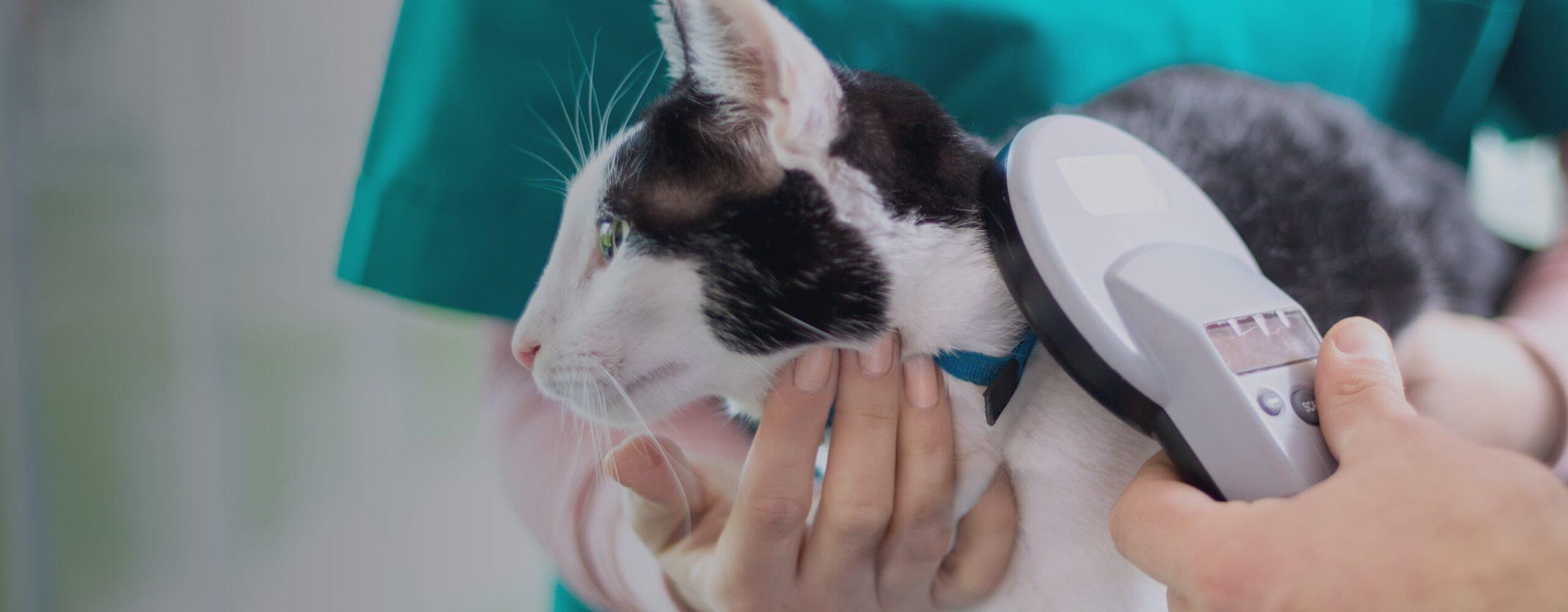
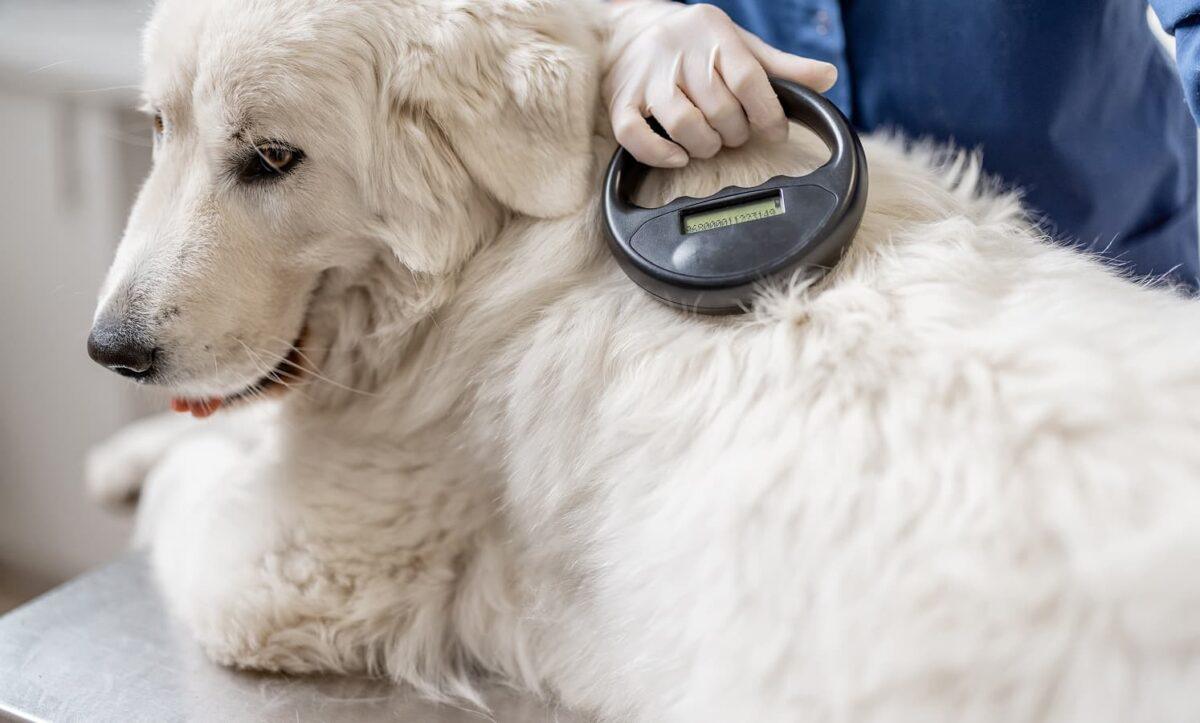
A microchip is a tiny device—about the size of a grain of rice—implanted just beneath the skin between your pet’s shoulder blades. The procedure is quick, safe, and no more painful than a routine vaccine. It contains a unique ID number that can be read by a handheld scanner used by veterinarians, animal shelters, and animal control officers. Once scanned, the microchip transmits a number that can be linked to your contact information, allowing the finder to contact you quickly and easily.
The result? You get the call you’ve been hoping for—someone found your pet and they’re ready to come home.
Reasons why
Why Microchipping Matters
Collars and ID tags are your pet’s first line of defense, and we highly recommend using them. But tags can wear out, fall off, or be removed—especially if your pet is particularly active or lost for an extended period.
Microchips are different. They are:
- Permanent – They can’t be removed or lost.
- Durable – Designed to last the lifetime of your pet.
- Reliable – Veterinarians and shelters routinely scan for chips as part of their intake procedures.
- Proven Effective – Studies show that microchipped pets are much more likely to be reunited with their owners than those without.
For example, according to the American Veterinary Medical Association (AVMA), dogs with microchips are over 2.5 times more likely to be returned home, and cats are over 20 times more likely!
We strongly recommend using both a microchip and a traditional ID tag. While microchips provide a permanent backup, a collar tag offers instant access to your phone number, which can speed up reunions with helpful neighbors or passersby.
Together, these forms of identification give your pet the best chance of getting home safely if lost.

Get Your Pet Chipped Today
Whether you’ve just welcomed a new puppy or kitten, adopted a rescue, or want to add an extra layer of protection to your older pet’s routine care, now is the perfect time to microchip.
Our team is here to answer your questions, walk you through the process, and ensure your pet is protected. We can also help you build a lost pet action plan, so if the unthinkable happens, you’ll be ready to act quickly and effectively.
FAQs
Did You Know?
We Offer Flexible Payment Options
We believe every pet deserves top-notch care—and that cost shouldn’t stand in the way. That’s why we offer flexible payment options to help you plan and pay for your pet’s care with confidence. Click the button below to learn more about how we handle payments and pet insurance at our hospital.