Reptile Care Hero

Reptile Care

Accepting New Patients
Flexible Payment Options
Same Day Appointments

Reptiles

Pet reptiles have very specific environmental and nutritional needs. Because many reptilian illnesses do not immediately show outward signs, routine exams are essential to catching health issues early. 

what to expect

During a Reptile Wellness Exam

Your scaly companion’s wellness visit includes a comprehensive physical assessment and discussion about their lifestyle. Our goal is to keep your reptile feeling their best and prevent future health issues. 

A typical exam may include:

  • Regular weight checks and fecal exams. 
  • Evaluation of enclosure conditions, such as temperature, humidity, and UVB lighting. 
  • Nutritional counseling (many health problems stem from incomplete diets). 
  • Calcium and supplemental needs to prevent metabolic bone disease (MBD). 
  • Monitoring for signs of respiratory infections or skin issues. 

Reptiles do not receive vaccines, but we welcome any questions you have about your reptile’s behavior, environmental setup, or overall well-being. 

Caring for Your Reptile

From freshly hatched to fully grown cold-blooded friends, your reptile deserves dedicated care at whatever stage of life they are in. Our wellness services support their overall health, work to catch concerns early, and help to give them the best lifewe can.

ENVIRONMENT MATTERS

Setting Reptiles Up for Success 

Knowing the correct environment setup for your scaly friend plays an important role in their safety and overall health. A reptile can become stressed, injured, or ill when housed in an improper enclosure setup that does not work for their specific species. In addition, insufficient UVB lighting or heat, incorrect substrate materials, and infrequent sanitation can all negatively impact your reptile. 

Every reptile needs access to water in their environments—just in different ways; either through drinking bowls, moist food, scheduled soakings, or humidity-supported hydration systems. Dehydration can quietly impact your reptile’s appetite, digestion, kidney health, and ability to successfully shed. 

KNOW WHAT TO FEED 

Supporting a Reptile Diet

Reptile nutrition is more than just what vegetables, insects, or rodents are offered—it’s providing a balanced diet that supports healthy growth, strong bones (or shell), proper digestion, and immune support.  

While the exact food recommendations vary by species, age, and lifestyle, nutritional instability is a common cause of illness across all reptiles. Ensuring that you are feeding the right food, along with the correct calcium, phosphorous, or vitamin supplements, is important. Diet also works conjointly with their environment—as proper lighting, temperature, and hydration can affect how nutrients are absorbed and used by the body.  

Regular veterinary exams for your reptile can allow early detection of nutritional imbalances before they can lead to long-term health issues. 

Types of Reptiles We Treat

Reptiles vary in size, behavior, and care requirements. Our veterinary team is experienced in treating the following reptilian species and providing care based on species-specific health and husbandry needs. 

Lizards

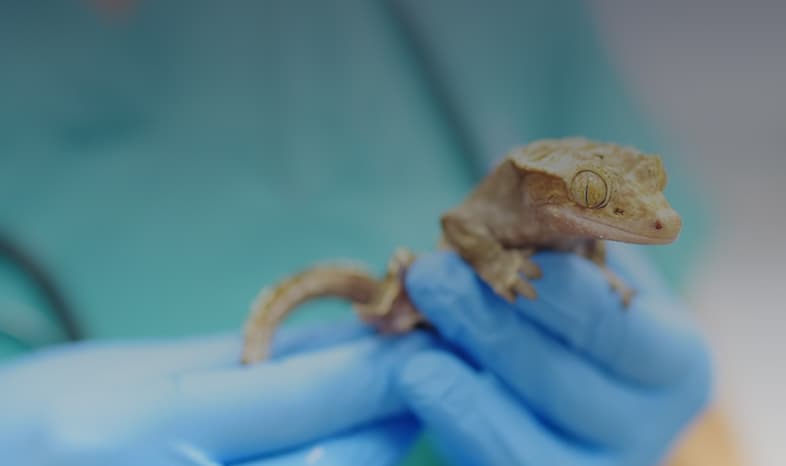
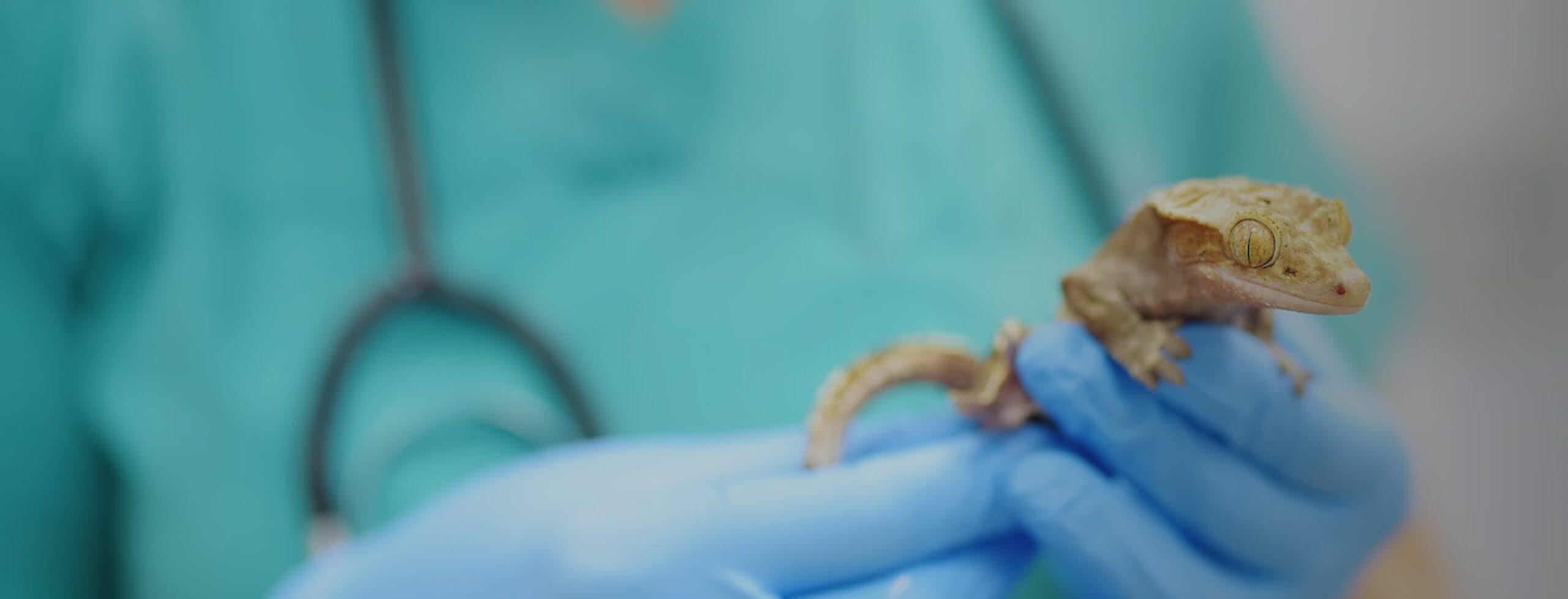
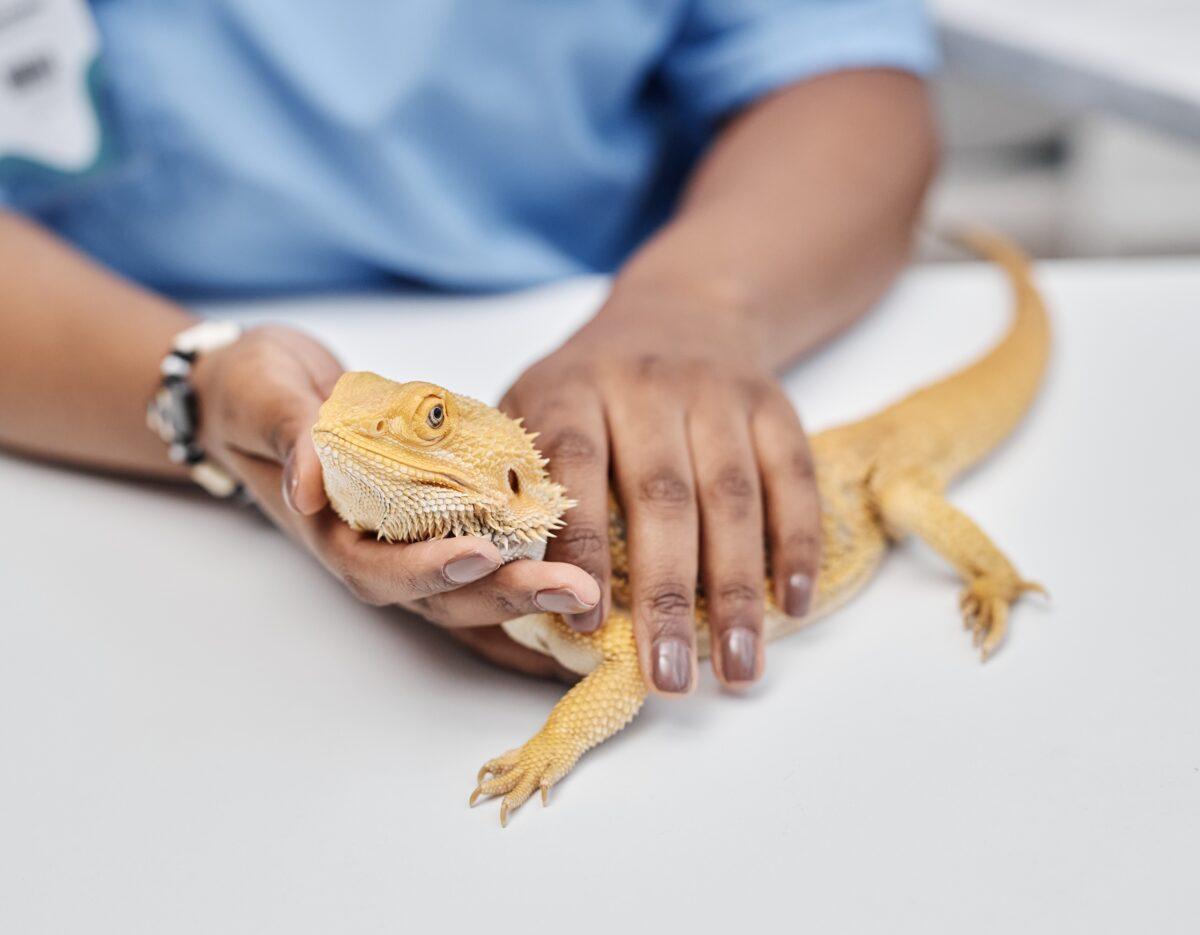
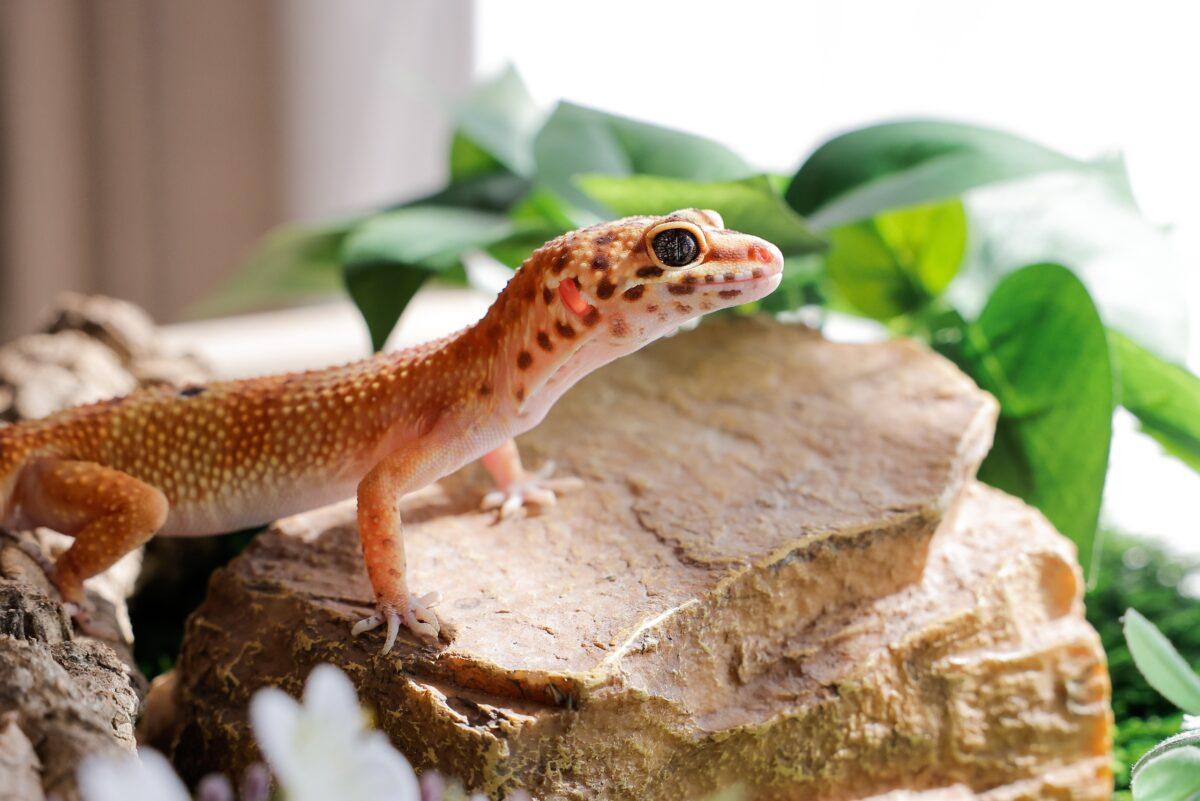
Lizards—such as bearded dragons, crested geckos, leopard geckos, and green anoles—rely heavily on a balanced diet of insects, leafy greens, fruits, and supplements. Nutritional mistakes are the number one reason lizards end up at our hospital for sick care! 

In addition to diet, insufficient UVB lighting or calcium imbalance can lead to metabolic bone disease (a disorder where bones and joints ache and stop growing), which can sometimes be fatal. Parasites, mouth infections, and shedding issues—especially around the toes, tail, and eyes—are common and can cause serious complications if untreated. 

Lizards may require more frequent exams than other reptiles, especially for young and fast-growing species, so please contact our hospital in advance to make sure we can accommodate your specific species of lizard. 

Nonvenomous Snakes 

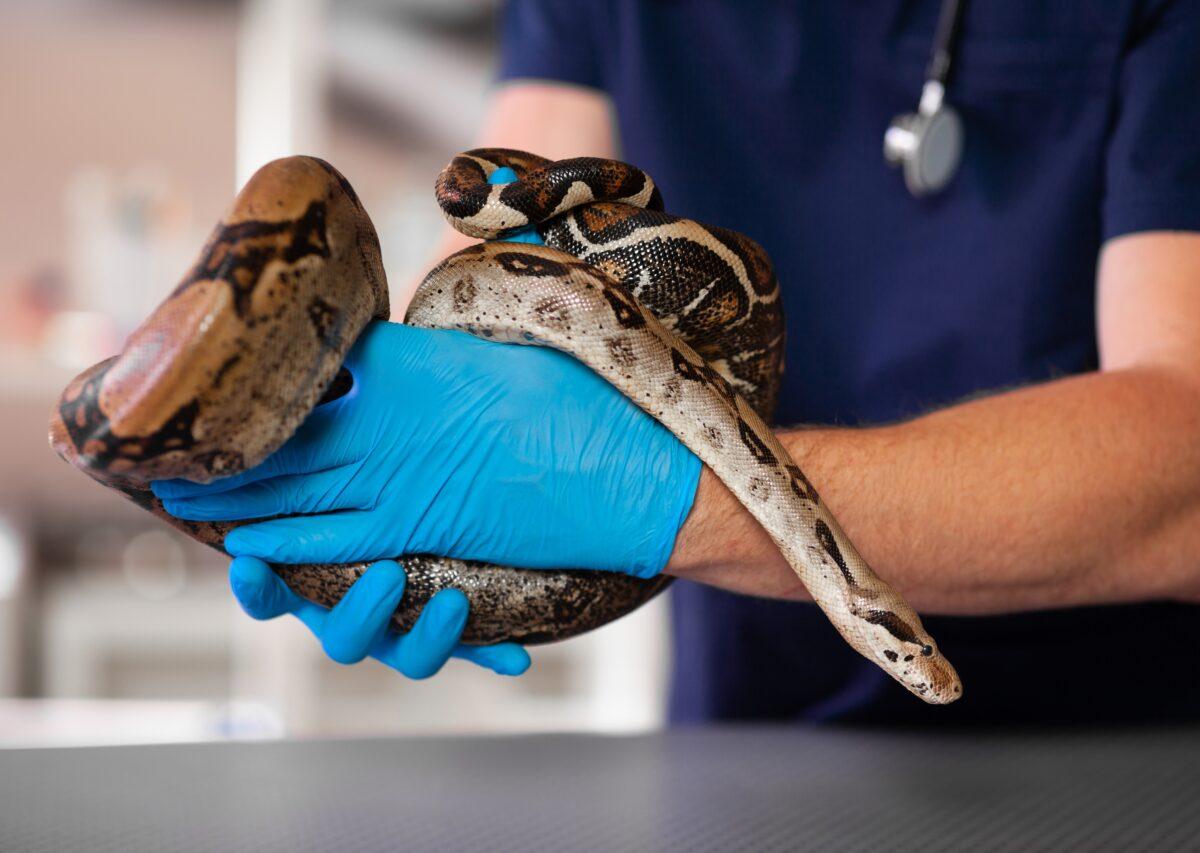
Snakes are masters at hiding illness! By the time symptoms show, issues are usually advanced. Some signs to look for that your snake may need veterinary care:  

  • Problems with feeding, such as refusing food or regurgitating. 
  • Parasites—such as mites, seen as little black dots—are visible on your snake’s scales.  
  • If you can see your snake breathing—rise and fall of their ribs—there could be in respiratory issues.  

Proper feeding schedules, temperature gradients, humidity, and UVB lighting are all contributing factors to your snake’s health. Our hospital treats most nonvenomous snakes, but please contact our hospital in advance to make sure we can accommodate your specific species of snake. 

Tortoises

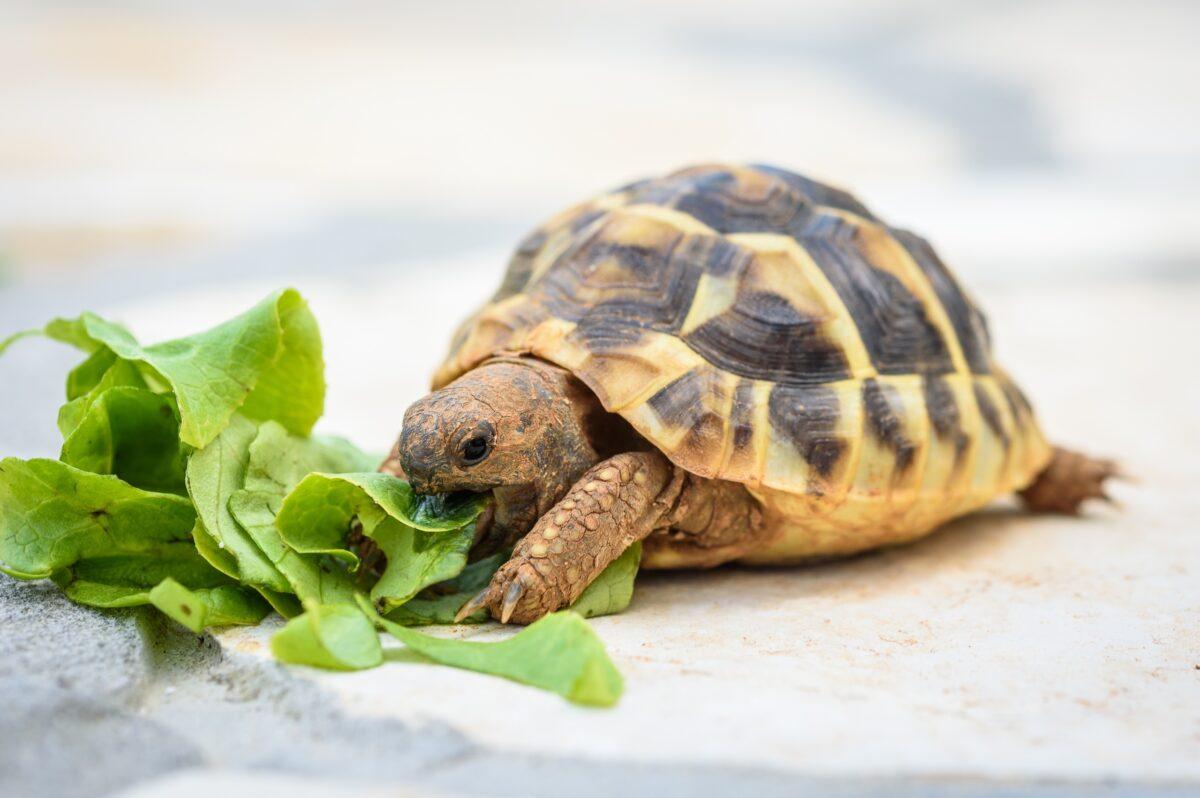
Tortoises are shelled reptiles that can live for decades! Without a proper husbandry setup, access to lighting, calcium balance, and beak and nail maintenance, tortoises may develop deformities and a reduced quality of life if left unaddressed. 

When proper environmental conditions are met, tortoises are better able to digest and utilize the nutrients from their foods, such as pellets, greens, vegetables, insects, supplements, and fruits. Diet can also influence how tortoises respond to seasonal changes—with some species of tortoises experiencing hibernation during colder seasons, but it is important to know if your tortoise is one of those species!   

Routine veterinary care for tortoises often focuses on shell integrity, nutrition, hydration, mobility, and vitamin and mineral balance, as well as early detection of chronic issues that may not be obvious at home. 

Turtles

Turtles are shelled reptiles that require constant access to water in their environment. Without proper water quality, filtration, and basking areas, turtles can develop shell disease, skin infections, and respiratory or digestive issues.  

When proper environmental conditions are met, turtles are better able to digest and utilize the nutrients from their foods, such as pellets, greens, vegetables, insects, supplements, and fruits. Diet can also influence how turtles respond to seasonal changes—with some species of turtles experiencing hibernation during colder seasons, but it is important to know if your turtle is one of those species!  

Veterinary care for turtles often focuses on shell integrity, nutrition, hydration, and vitamin and mineral balance, as well as early detection of chronic issues that may not be obvious at home. Routine exams help ensure your habitat, diet, and lifestyle setup is positively contributing to your turtle’s long-term health. 
Choose Us

Your Partner in Lifelong Reptile Wellness

Choosing our hospital means choosing a team that treats your reptile like family. We’re here to support your reptile’s health at every stage of life—whether it’s their first checkup or a visit during their senior years. Let’s work together to ensure your scaly companion lives a long, healthy life.  

We Offer Flexible Payment Options

We believe every pet deserves top-notch care—and that cost shouldn’t stand in the way. That’s why we offer flexible payment options to help you plan and pay for your pet’s care with confidence. Click the button below to learn more about how we handle payments and pet insurance at our hospital.

Connect with Us

Veterinary Care, Your Way

Our goal is to make veterinary care convenient and accessible for all pet owners in HIVE area. Choose the contact method that works best for you.

423-645-9874

Call or Text Us

During our operating hours, call or text our hospital number and our team will be happy to assist you.

Schedule Visit

Book Online

Schedule your pet’s appointment any time through our website’s appointment scheduler.

Get the App

Download Our App

Our app helps you stay on top of your pet’s care without missing a beat.

Call Us

Walk-in Visits

Walk-ins are welcome upon availability! To help avoid wait times, we recommend calling ahead when possible.