Alpacas & Llamas
Alpacas and llamas are considered camelids and require consistent, preventative veterinary care to stay healthy. Routine annual wellness care is recommended to evaluate fiber and skin health, dental conditions, nutritional needs, parasite control, and nail health and trimming needs.
A common vaccination for alpacas and llamas is the CDT (Clostridium perfringens types C & D and tetanus) Vaccination—which helps protect your camelid from life-threatening diseases that can affect the intestinal and nervous systems. Please contact our hospital in advance to make sure we can accommodate your alpaca and llamas’ needed vaccinations.
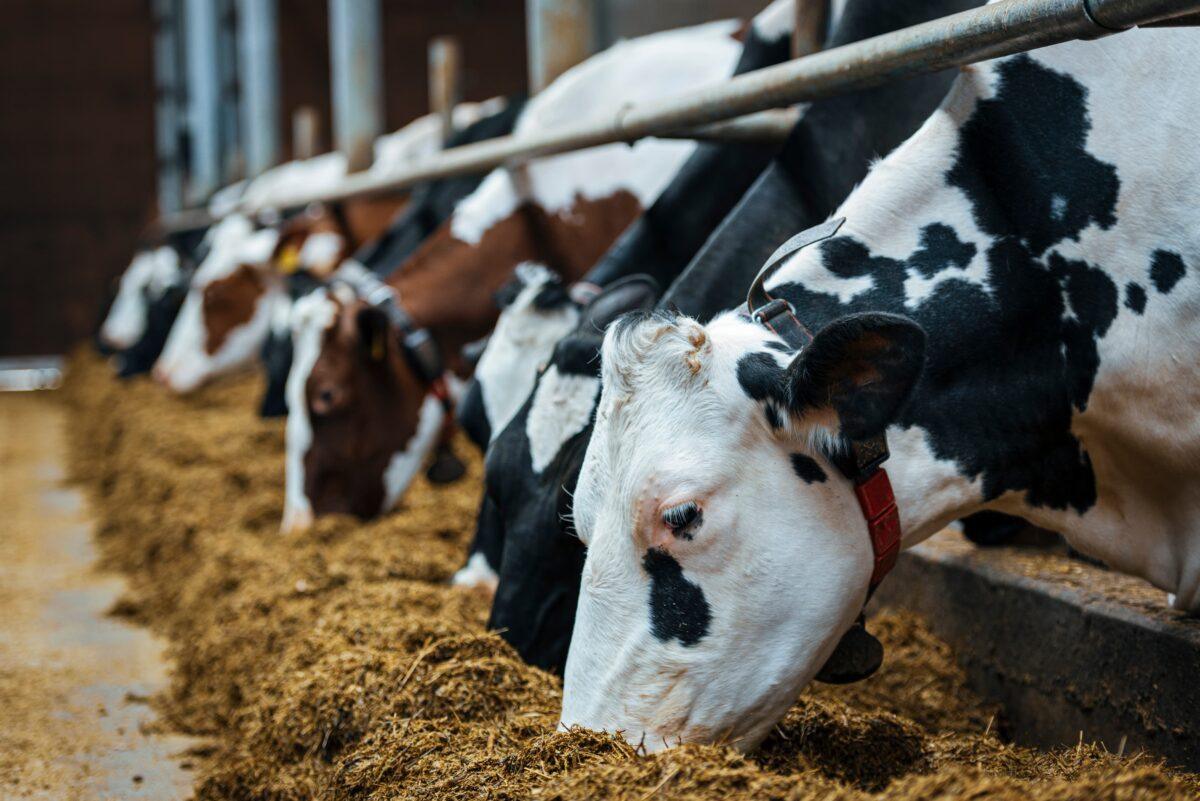
Cows
Cattle can be used for many different things, from companion animals to food producers! No matter your relationship to your cow, it is important to provide them with veterinary care to protect against common infectious diseases and support overall herd health. Because risks can vary by region, herd size, and management style, it is important to develop a custom herd-specific plan and vaccine regime that fits your herd.
Please contact our hospital in advance to make sure we can accommodate your cattle’s needed vaccinations. Treatment options can be limited due to food production regulations, so early detection and prevention is important.
Goats
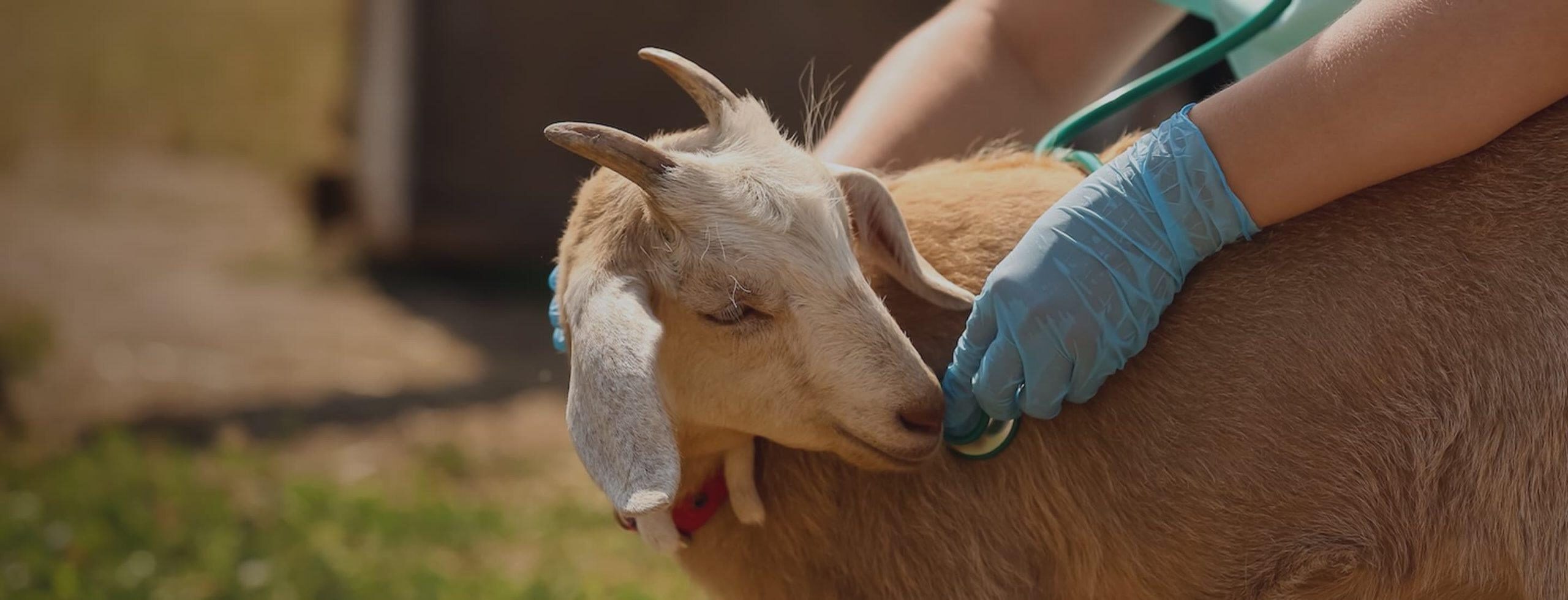
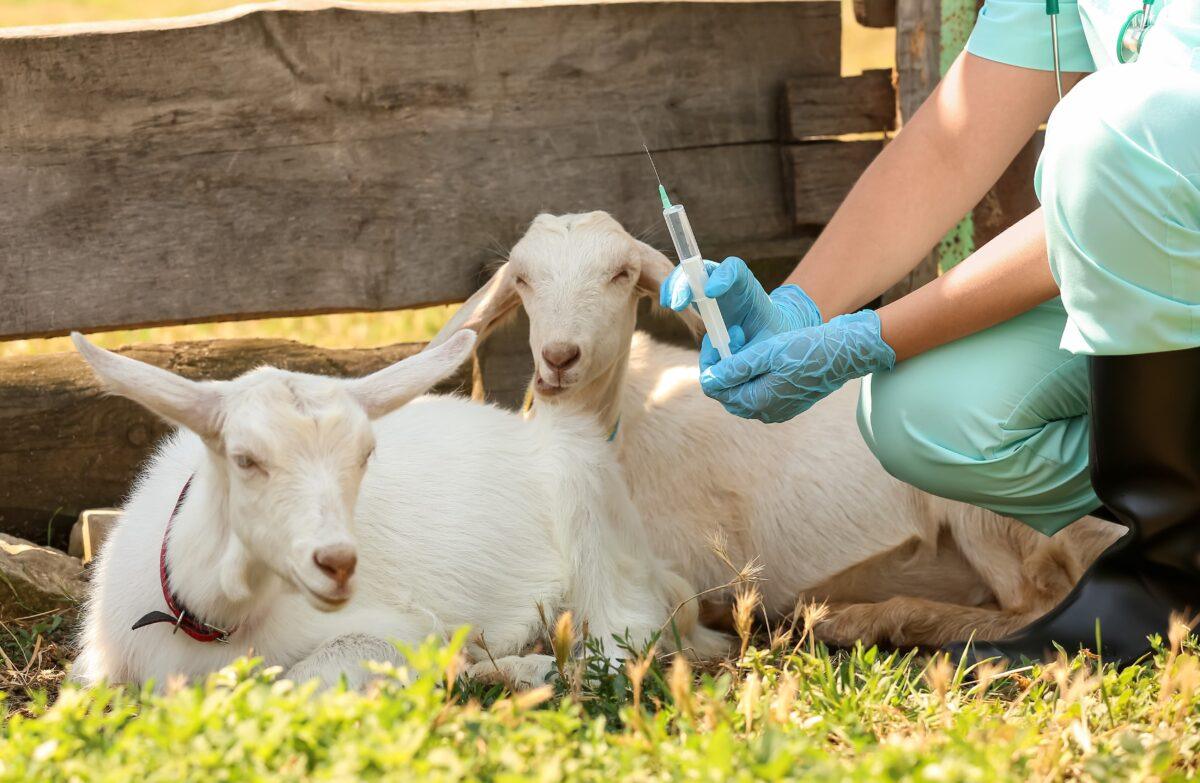
Goats benefit from a targeted vaccination program to prevent serious infectious diseases and maintain herd health. Vaccinations help protect both young kids and adult goats, reduce the risk of illness spreading through your herd, and support overall productivity, whether for milk, meat, fiber, or companionship. Working with your veterinarian to develop a herd-specific plan is important, as recommended vaccines may vary depending on region, herd size, and management practices.
Please contact our hospital in advance to make sure we can accommodate your goat’s needed vaccinations.
Pigs
Pigs stay healthiest when their daily care focuses on cleanliness, proper housing, and balanced nutrition. Provide dry bedding, good drainage, and ventilation to reduce respiratory disease and skin infections, and always offer shade or cooling areas since pigs cannot sweat efficiently. Pens should be cleaned regularly to limit bacteria and parasites, and pigs benefit from enrichment such as rooting areas or toys to reduce stress. Feed a commercial ration formulated for their age and purpose, avoid excessive table scraps, monitor body condition, and adjust diets during growth, pregnancy, or lactation. Consistent fresh water and controlled portions help prevent obesity, joint strain, and poor growth.
Routine veterinary care is essential for pigs as they often hide illness until it becomes advanced. An annual wellness exam (more frequent for breeding animals), vaccinations, and parasite monitoring with strategic deworming are recommended. Regular hoof and skin checks, reproductive evaluations, and observation for early signs of illness—such as coughing, lameness, diarrhea, or decreased appetite—allow prompt treatment and help prevent herd outbreaks. When combined with good sanitation and nutrition, preventative veterinary care supports healthy growth, reproduction, and long-term well-being in both companion and production pigs.
Please contact our hospital in advance to make sure we can accommodate your pig’s needed vaccinations. Treatment options can be limited due to food production regulations, so early detection and prevention is important.
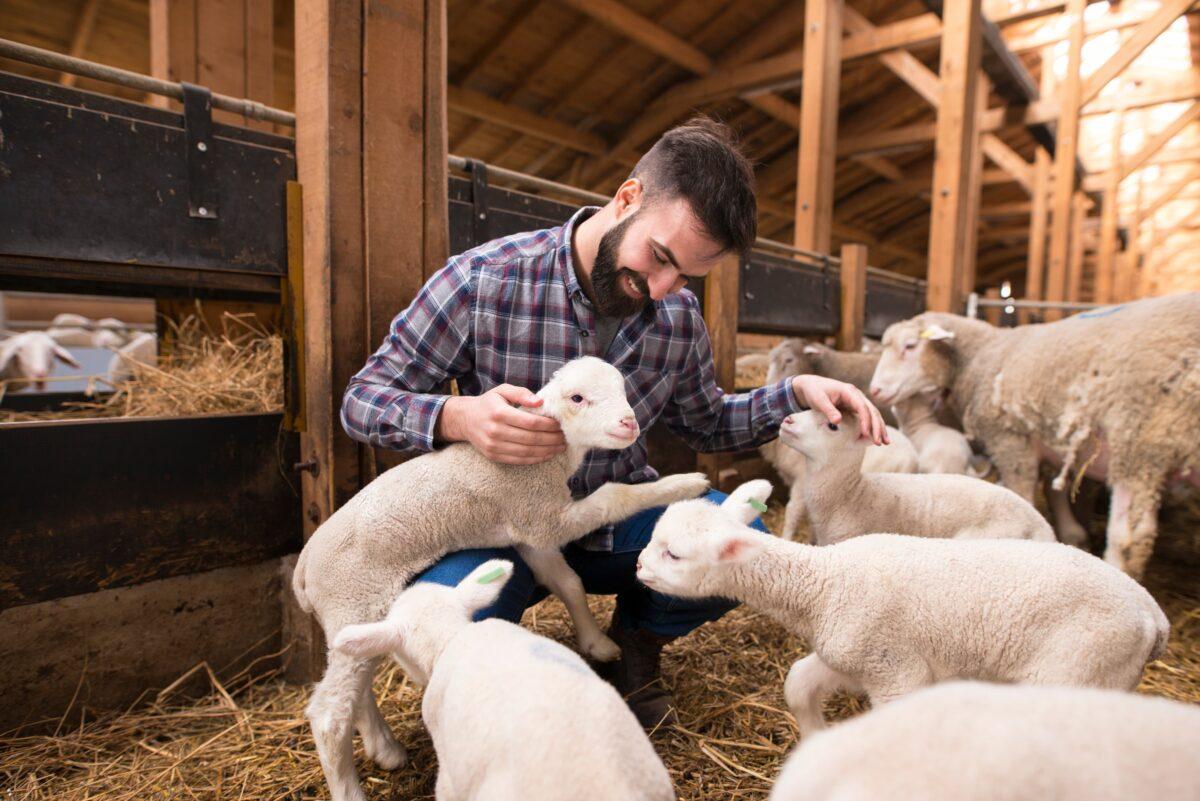
Sheep
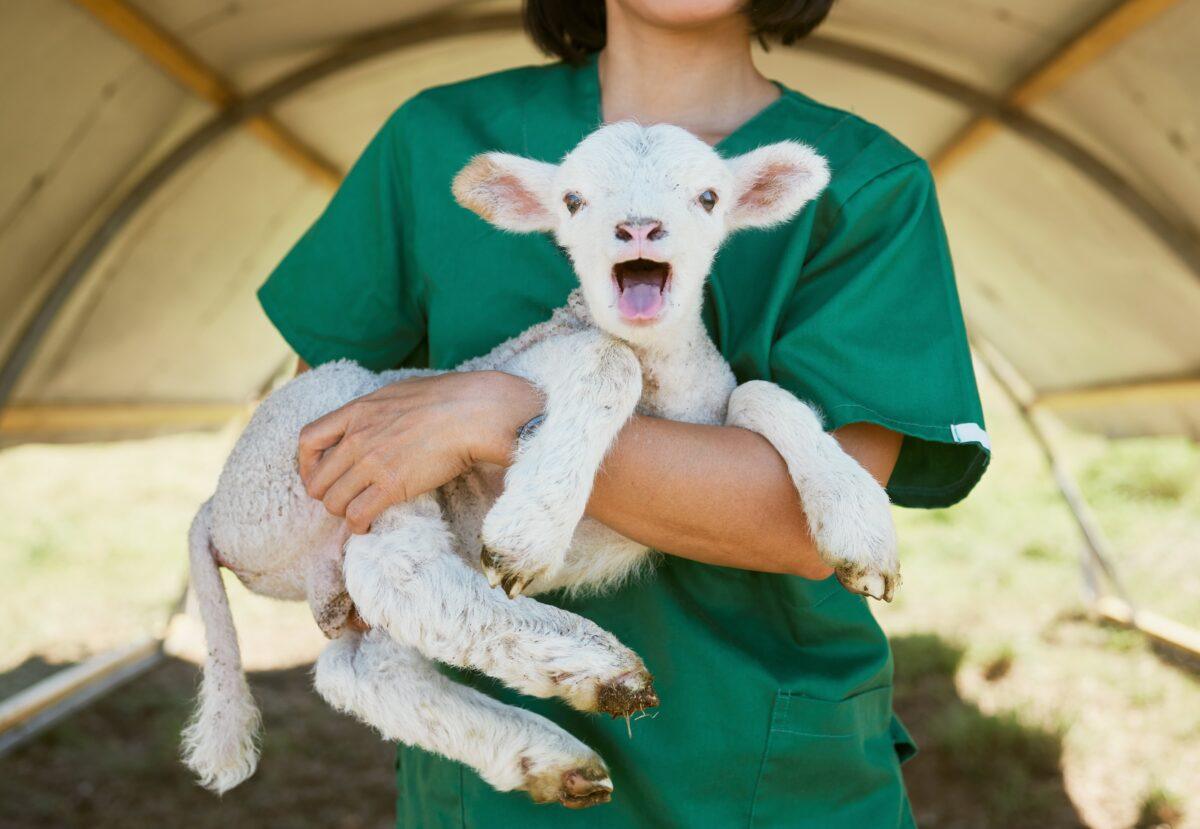
Sheep thrive when their daily management emphasizes clean housing, quality forage, and routine observation. Provide dry bedding and well-drained pastures to reduce foot rot and parasite buildup, along with adequate shelter from extreme weather. Sheep should primarily eat pasture or hay, with grain added only when needed for growth, late pregnancy, or lactation. Fresh water and sheep-specific mineral supplements must always be available, as improper mineral balance can cause serious health problems. Monitoring body condition regularly helps ensure animals are maintaining a healthy weight and receiving proper nutrition.
Preventative veterinary care is essential to keep a flock healthy and productive. Sheep should receive routine wellness exams, vaccinations, and strategic parasite monitoring with fecal testing and targeted deworming. Regular hoof trimming helps prevent lameness and infection, while breeding animals benefit from reproductive evaluations before the season. Watch for early signs of illness such as limping, isolation, weight loss, coughing, or diarrhea, and contact a veterinarian promptly if concerns arise. Combined with good sanitation and nutrition, preventative care supports healthy growth, successful lambing, and long-term flock health.
Please contact our hospital in advance to make sure we can accommodate your sheep’s needed vaccinations.