Chickens
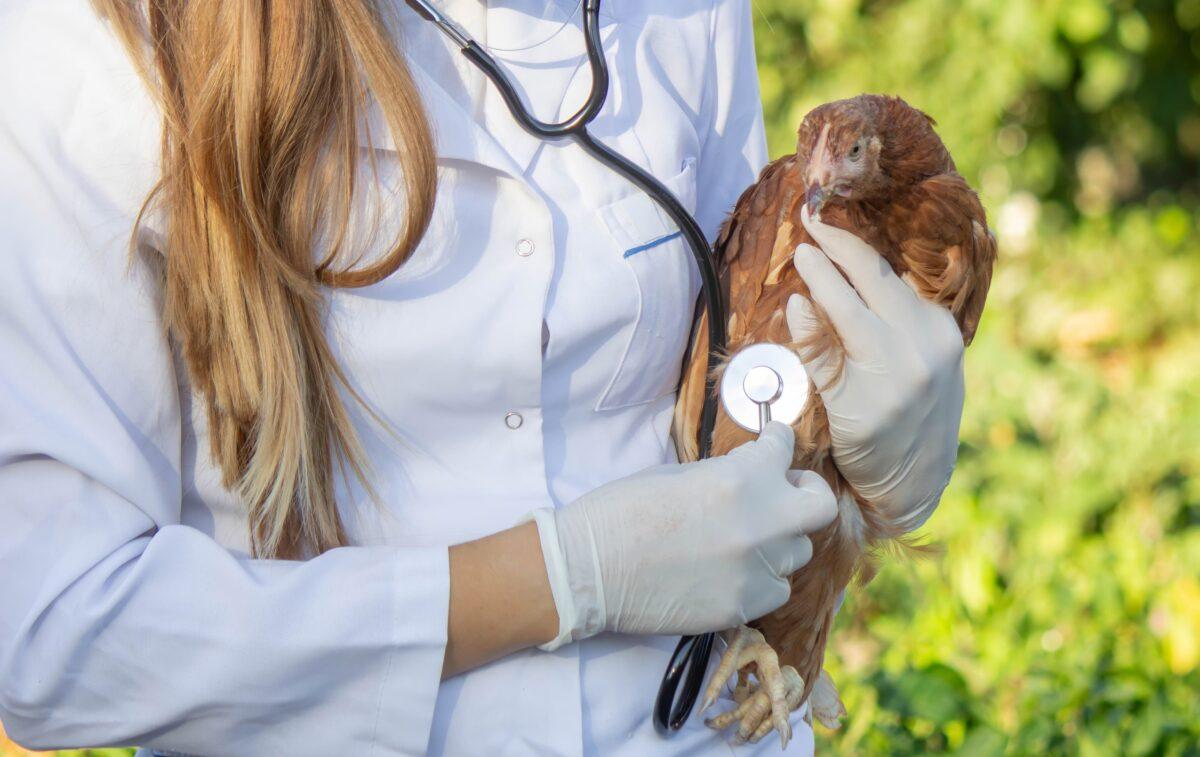
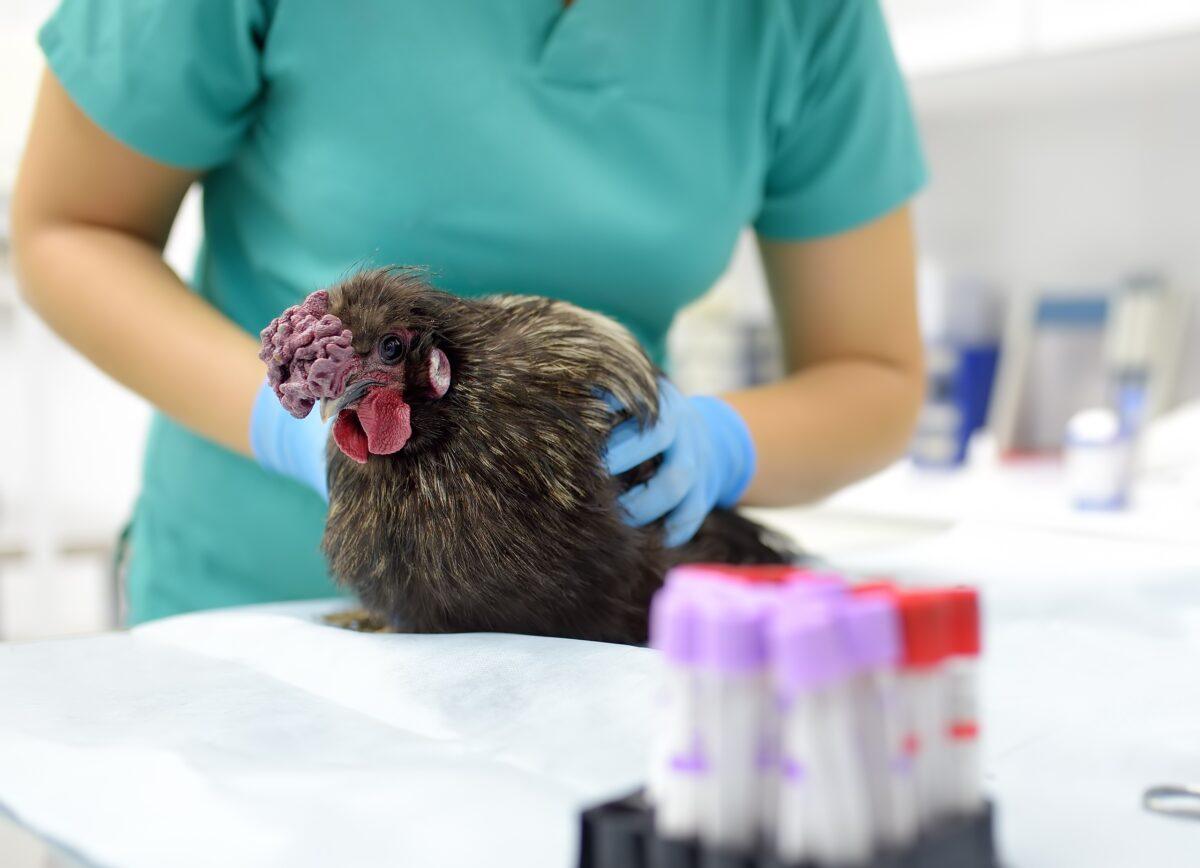
Veterinary care for chickens is primarily focused on preventative and overall flock health. They commonly run into issues with respiratory disease, egg binding, bumblefoot (an infection on the foot pad), and other parasitic issues.
Our veterinary team can discuss with you the importance of proper nutrition, coop housing and environment, sanitation, and egg production for your chickens. Treatment options can be limited due to food production regulations, so early detection and prevention is important.
Ducks
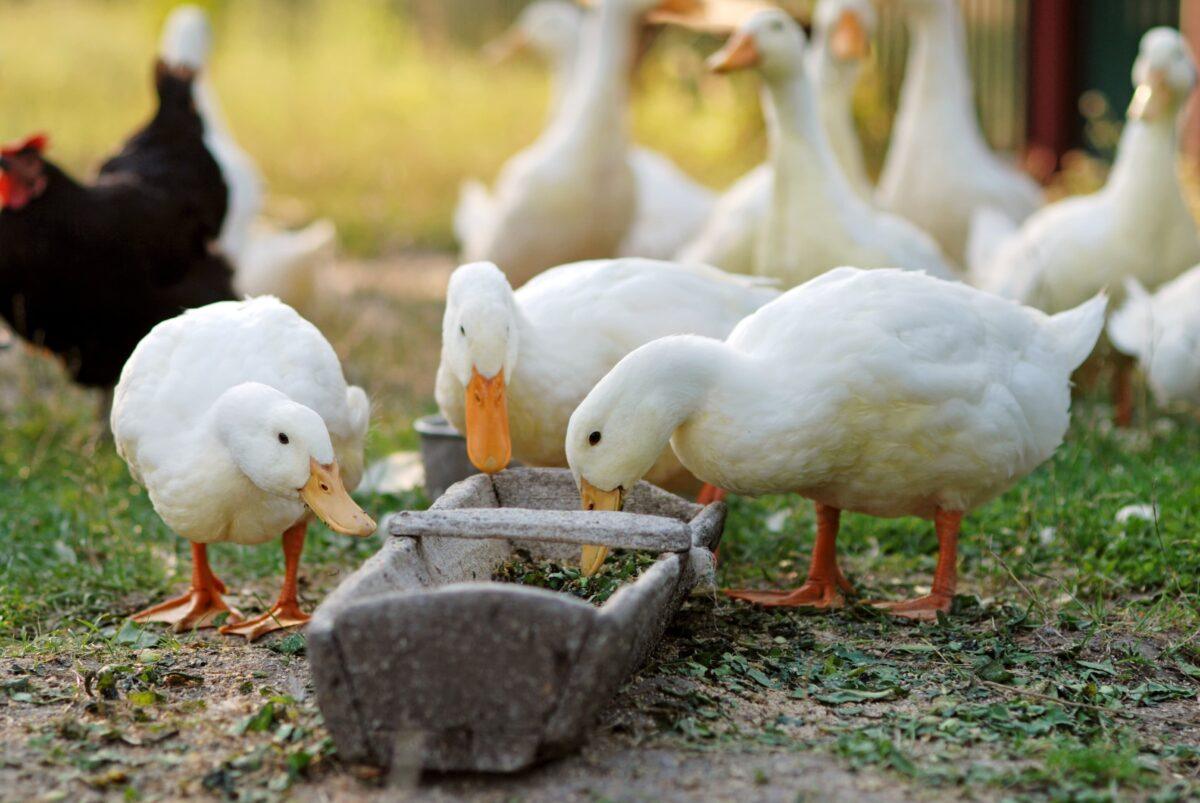
These feathered friends require access to water—inadequate conditions can lead to eye, skin, and feather issues! Ducks can also be prone to foot and leg issues, such as bumblefoot (an infection on the foot pad).
Our veterinary team can discuss with you the importance of proper nutrition, water access and habitat setup, sanitation, and egg production for your ducks. Treatment options can be limited due to food production regulations, so early detection and prevention is important.
Emus
Due to their large size and strength, our veterinary care prioritizes safety and stress reduction for both your emu and our care team. Common concerns for emus include leg and joint problems, nutritional imbalances, intestinal and external parasites, and fungal infections. Preventative care and a clean, dry environment play an important role in keeping this bird healthy.
Parrots
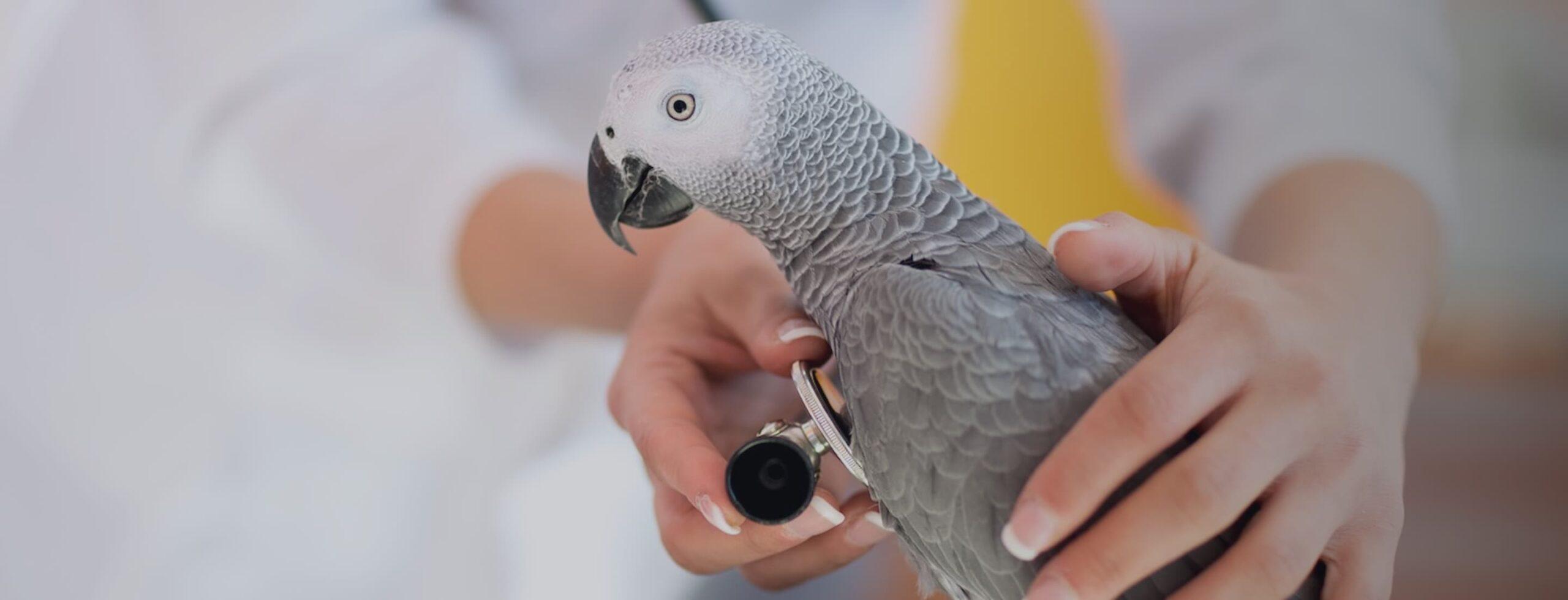
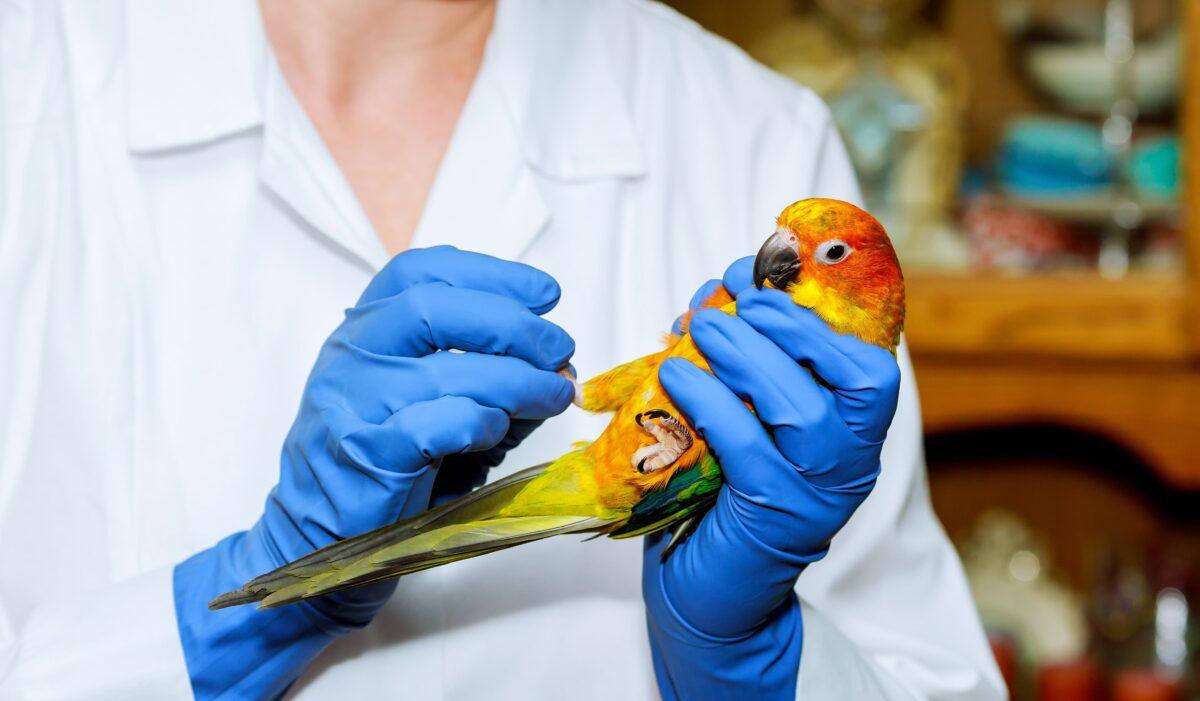
Parrots, such as macaws, parakeets, cockatiels, conures, and psittacines, are very social birds and rely heavily on daily interaction and stimulation. Without proper socialization, stress can ensue leading to issues like feather plucking or excessive vocalization. Proper nutrition is also important for your parrot companion, as seed-heavy diets can lead to vitamin deficiencies, obesity, and liver disease.
Please contact our hospital in advance to make sure we can accommodate your specific species of parrot.
Raptors or Birds of Prey
For raptors, or birds of prey, our veterinary care predominantly focuses on treating injury, such as collisions or environmental hazards. These birds require feeding to closely mimic natural prey diets to support recovery and long-term health.
Please contact our hospital in advance to make sure we can accommodate your specific bird of prey species.
Turkeys
Veterinary care for turkeys is primarily focused on preventative and overall flock health. They commonly run into issues with respiratory disease, bumblefoot (an infection on the foot pad), and other parasitic issues.
Our veterinary team can discuss with you the importance of proper nutrition, housing and environment, and sanitation for your turkeys. Treatment options can be limited due to food production regulations, so early detection and prevention is important.