Chinchillas
Chinchillas have unique, dense fur that should never get wet as moisture can cause fungal and skin infections—instead, they take regular dust baths to maintain proper coat and skin health.
Chinchillas are highly prone to heat stroke, dental malocclusion and molar spurs, gastrointestinal issues, and fragile skeletal structures, so routine veterinary care focuses on dental health, high-quality hay-based nutritional diet, and environmental management.
Ferrets
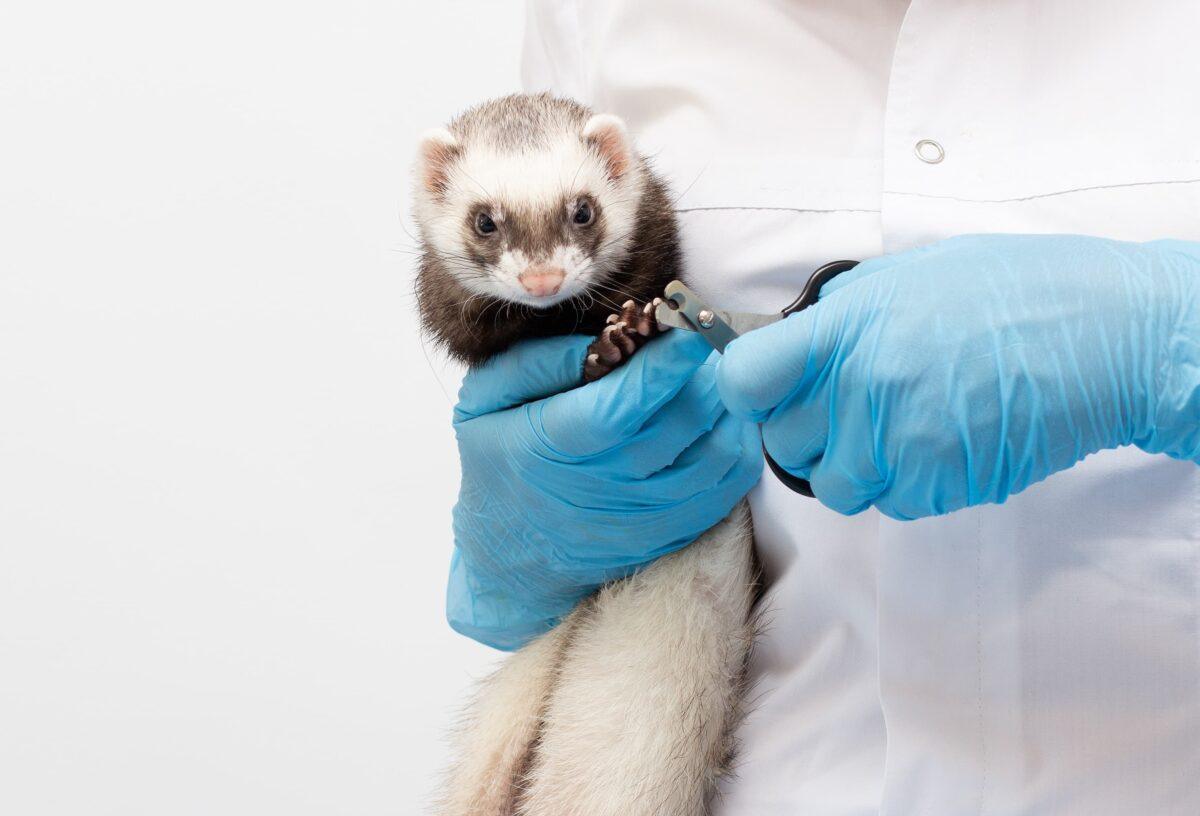
Ferrets are prone to adrenal disease, insulinomas, and respiratory infections. Their needed care includes:
- Annual exams with bloodwork in older ferrets.
- Regular dental care and parasite prevention is needed for ferrets, with older ferrets often needing bloodwork.
- Spaying/neutering for hormone-related issues.
Vaccinations that ferrets may need are:
- Canine Distemper Vaccination – Protects against a highly contagious, viral disease in ferrets. Because there is no effective treatment once infected, routine vaccination is critical for protection.
- Rabies Vaccination – Protects against a fatal neurologic disease that can be transmitted to humans and other animals through bites.
Please contact our hospital in advance to make sure we can accommodate your ferret’s needed vaccinations.
Gerbils
Considered highly active and social mammals, gerbils are recommended to be housed in pairs to support their mental well-being. Providing appropriate deep bedding (for burrowing), access to sand baths, and a balanced diet that supports their continuously growing teeth is important for both their behavioral and skin health.
Gerbils are more prone to tail injuries and seizures, so veterinary exams for gerbils focus on preventive dental care, safe handling education, and monitoring for neurologic or traumatic issues.
Guinea Pigs
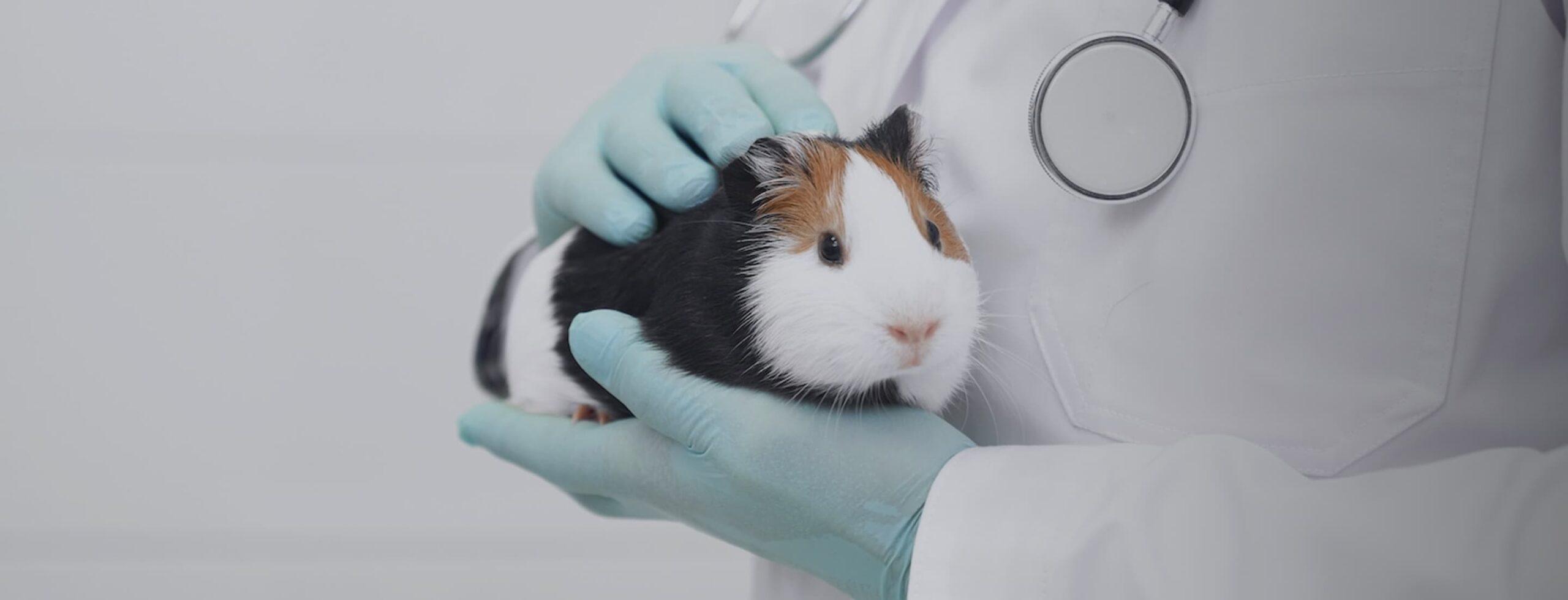
Considered highly social rodents, it is recommended that guinea pigs live with other guinea pigs to support their mental well-being. Unlike most mammals, they cannot produce their own vitamin C. To prevent deficiency, they must receive it daily through their food or supplements. Guinea pigs are also prone to gastrointestinal stasis, bladder stones, respiratory infections, and dental issues. Their teeth are constantly growing, so they are more prone to dental disease if they do not have proper hay intake.
Because Guinea pigs are prone to these risks, veterinary care focuses heavily on dental monitoring, nutrition counseling (unlimited hay and vitamin C supplementation), and early detection of urinary or respiratory issues.
Hamsters
To prevent fighting and stress, most hamsters typically prefer to live alone. They can be quite the escape artists, so a secure, well-ventilated enclosure is essential. At the same time, providing appropriate bedding (for burrowing) and a balanced diet that supports their continuously growing teeth is just as important, as they require proper nutrition and natural chewing to stay healthy.
One of the most fatal conditions seen in hamsters is “wet tail,” a life-threatening gastrointestinal disease. Veterinary care for hamsters focuses on early intervention for digestive illness, dental monitoring, and parasite treatment when needed.
Hedgehogs
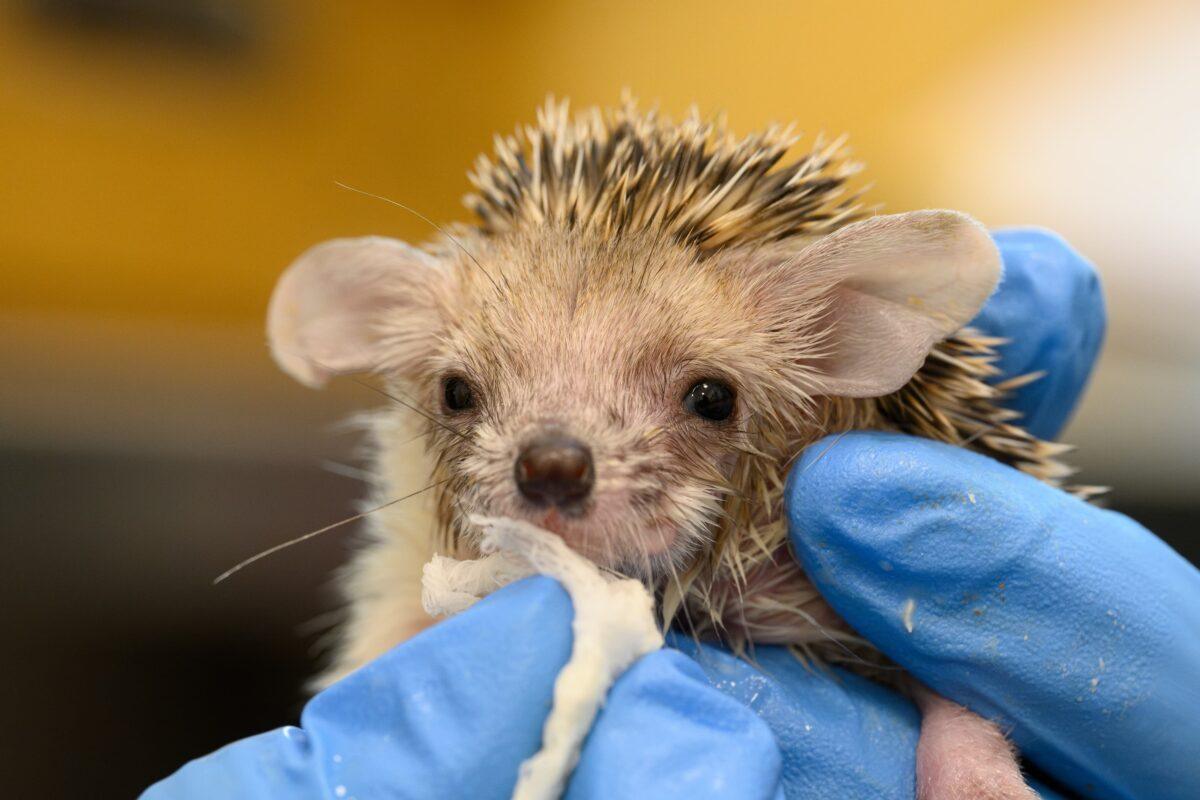
Hedgehogs are insectivores, meaning they eat mainly insects, relying on a high-protein, controlled-fat diet to maintain their overall health. They are quite sensitive to environmental temperatures and may attempt to hibernate if they get too cold (which is dangerous in captivity), so proper habitat heating and monitoring is crucial.
Common medical concerns for hedgehogs include obesity, dental disease, mites, uterine tumors in females, and Wobbly Hedgehog Syndrome—a neurologic disease. Routine veterinary care focuses on weight management, dental exams, parasite management, and reproductive health monitoring.
Mice
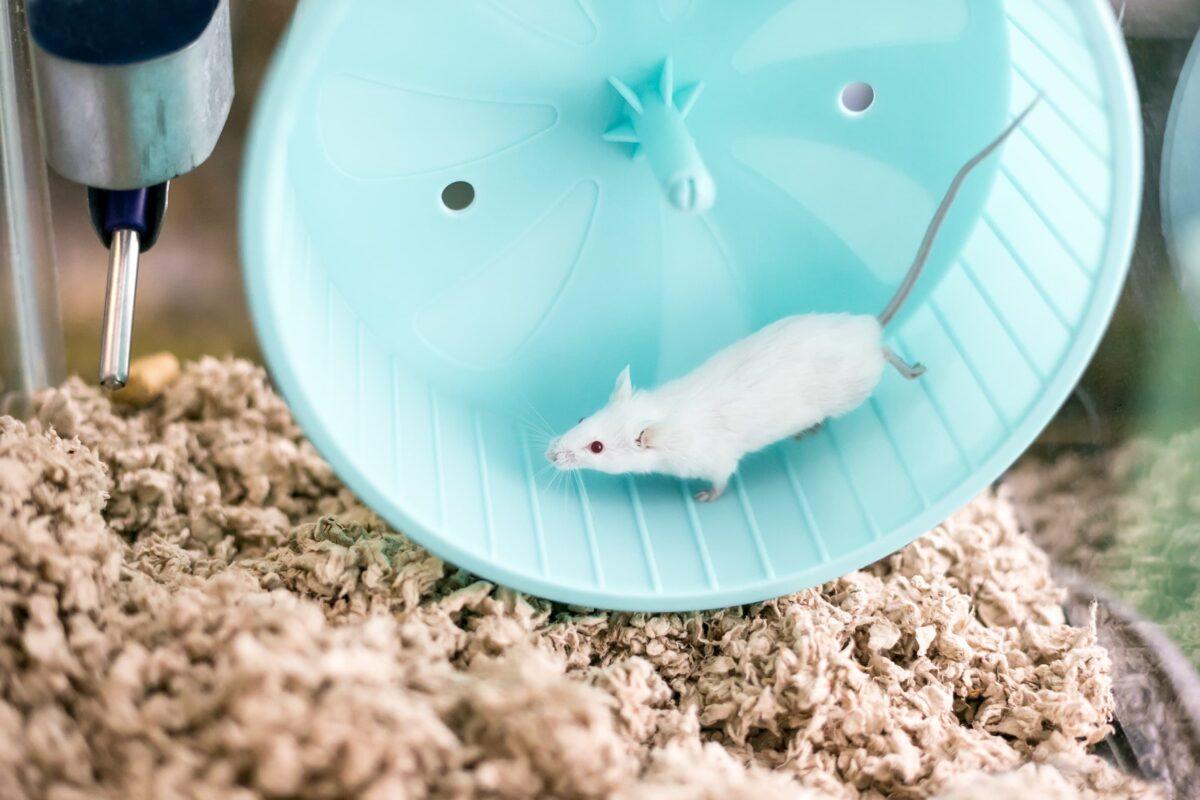
Considered highly social rodents, it is recommended that mice be housed with other compatible mice to support their mental well-being. Proper enclosure, enrichment, and a balanced diet help to prevent stress and nutritional deficiencies. Dental problems are less common in mice than in some other small mammals; however, regular monitoring is still crucial.
Veterinary care focuses on early tumor detection, respiratory health, and parasite prevention as mice are particularly prone to respiratory infections, mammary tumors (especially in females), and mites.
Rabbits
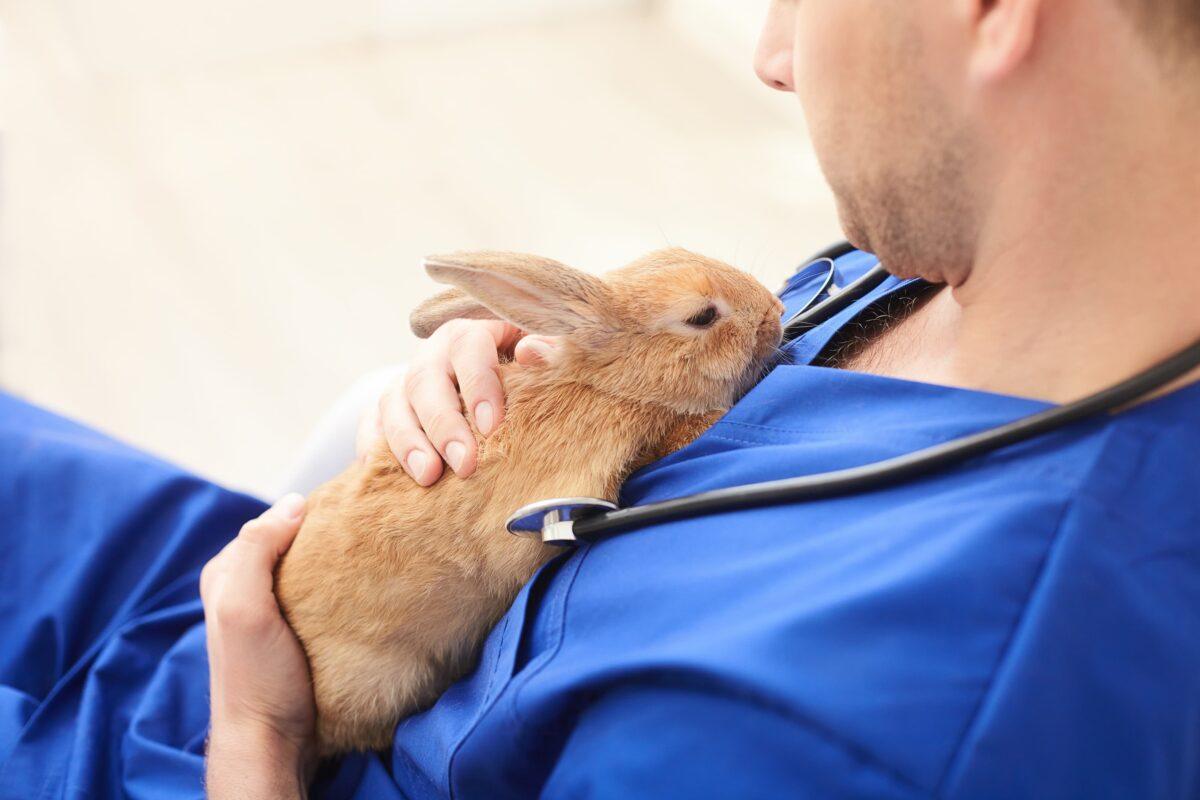
Rabbits have sensitive digestive and dental needs—so a high-fiber, hay-based diet that supports their continuously growing teeth and an environment that supports natural chewing are important for their overall health. Rabbits are also prone to uterine cancer (in females) and gastrointestinal stasis (when food stops moving through their GI tract), which can be a life-threatening condition if not treated quickly.
Routine veterinary care for rabbits focuses on dental health, nutrition, weight monitoring, and rapid response to appetite or behavior changes.
Rats
Rats are extremely intelligent, social rodents and require companionship with other rats to thrive emotionally. Housing with proper enrichment, a balanced diet, and dental monitoring are all important for long-term health.
Rats are susceptible to respiratory diseases, mammary tumors, abscesses, and dental issues so regular veterinary exams help detect these changes and provide proactive pain management before conditions affect quality of life.
Sugar Gliders
Sugar gliders are unique pets because they are nocturnal and have a naturally strong scent—both of which are important considerations before bringing one home! They are highly social marsupials that should not be housed alone (as isolation can lead to depression and self-mutilation), and they require a carefully structured diet with strict attention to calcium and phosphorus intakes.
Veterinary care centers on nutritional counseling, behavioral health, and preventive exams to detect early metabolic change as common medical issues include metabolic bone disease, dental disease, parasites, and self-trauma related to stress.