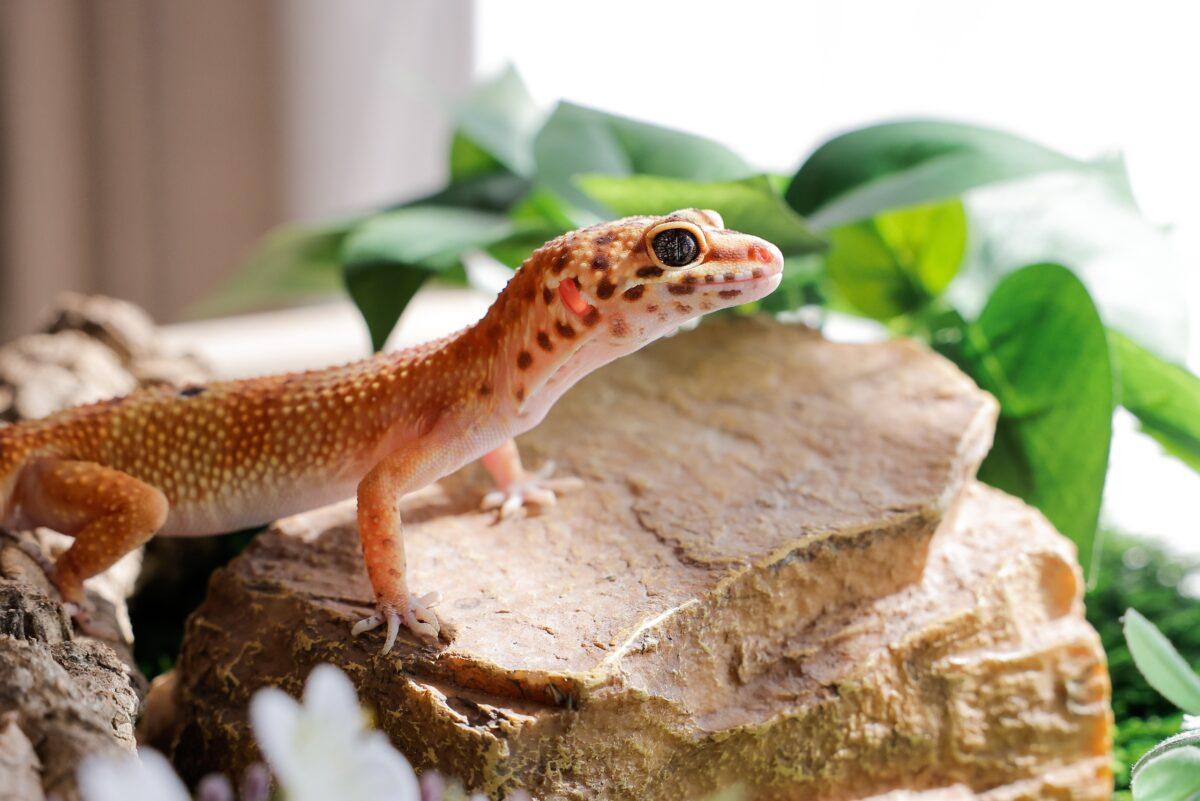
Lizards
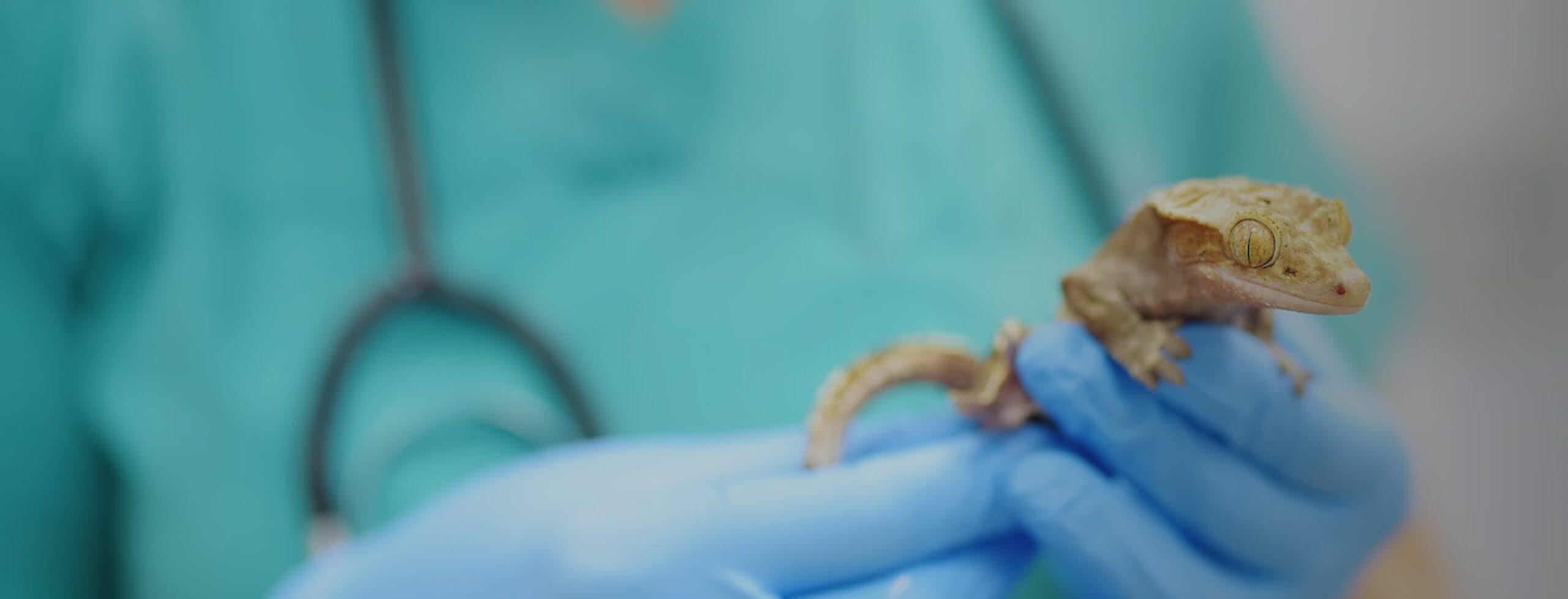
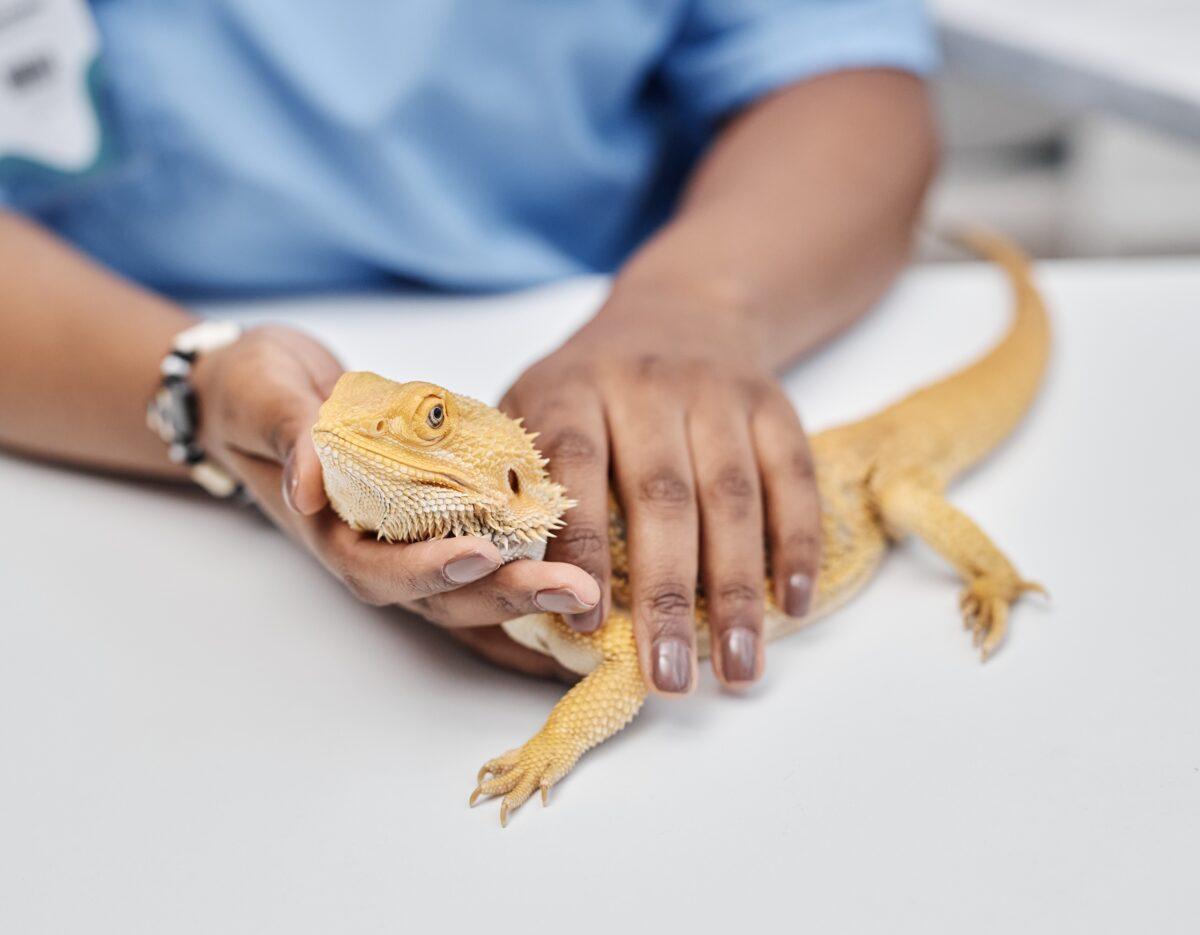
Lizards—such as bearded dragons, crested geckos, leopard geckos, and green anoles—rely heavily on a balanced diet of insects, leafy greens, fruits, and supplements. Nutritional mistakes are the number one reason lizards end up at our hospital for sick care!
In addition to diet, insufficient UVB lighting or calcium imbalance can lead to metabolic bone disease (a disorder where bones and joints ache and stop growing), which can sometimes be fatal. Parasites, mouth infections, and shedding issues—especially around the toes, tail, and eyes—are common and can cause serious complications if untreated.
Lizards may require more frequent exams than other reptiles, especially for young and fast-growing species, so please contact our hospital in advance to make sure we can accommodate your specific species of lizard.
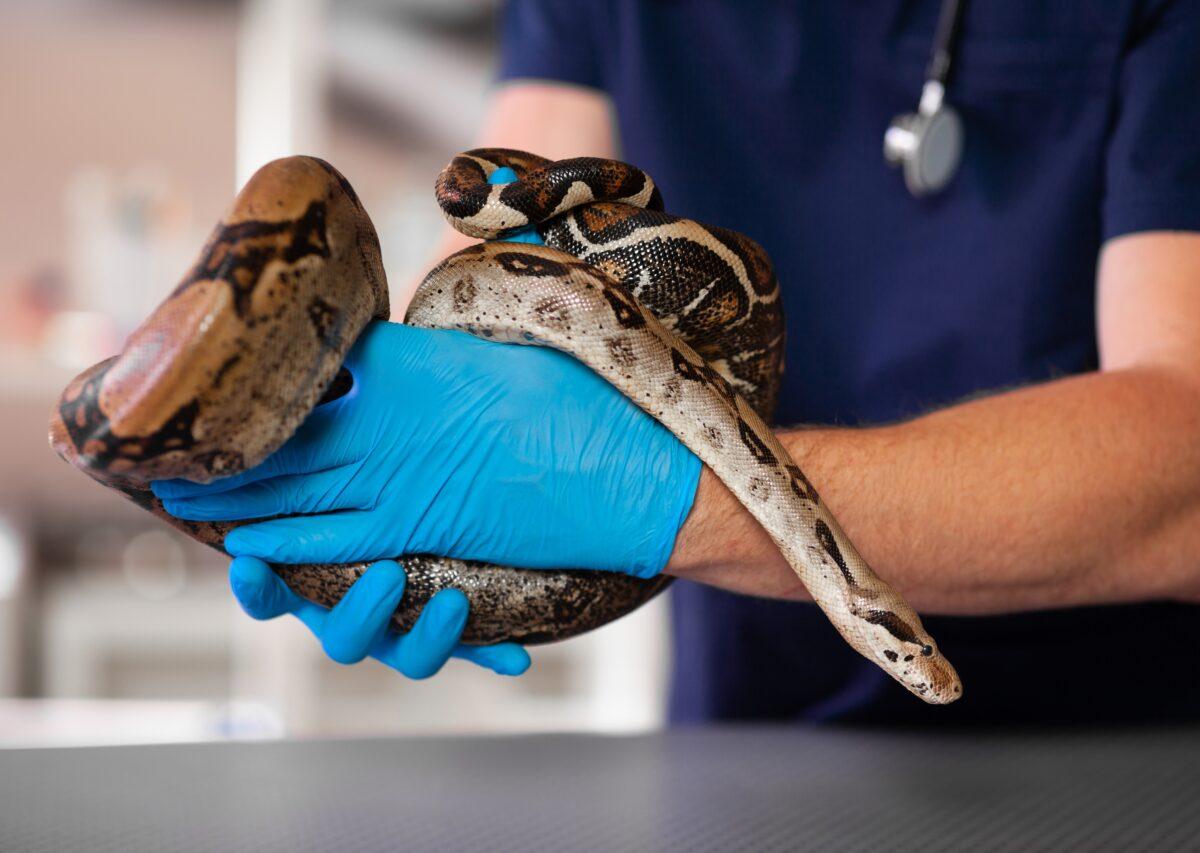
Nonvenomous Snakes
Snakes are masters at hiding illness! By the time symptoms show, issues are usually advanced. Some signs to look for that your snake may need veterinary care:
- Problems with feeding, such as refusing food or regurgitating.
- Parasites—such as mites, seen as little black dots—are visible on your snake’s scales.
- If you can see your snake breathing—rise and fall of their ribs—there could be in respiratory issues.
Proper feeding schedules, temperature gradients, humidity, and UVB lighting are all contributing factors to your snake’s health. Our hospital treats most nonvenomous snakes, but please contact our hospital in advance to make sure we can accommodate your specific species of snake.
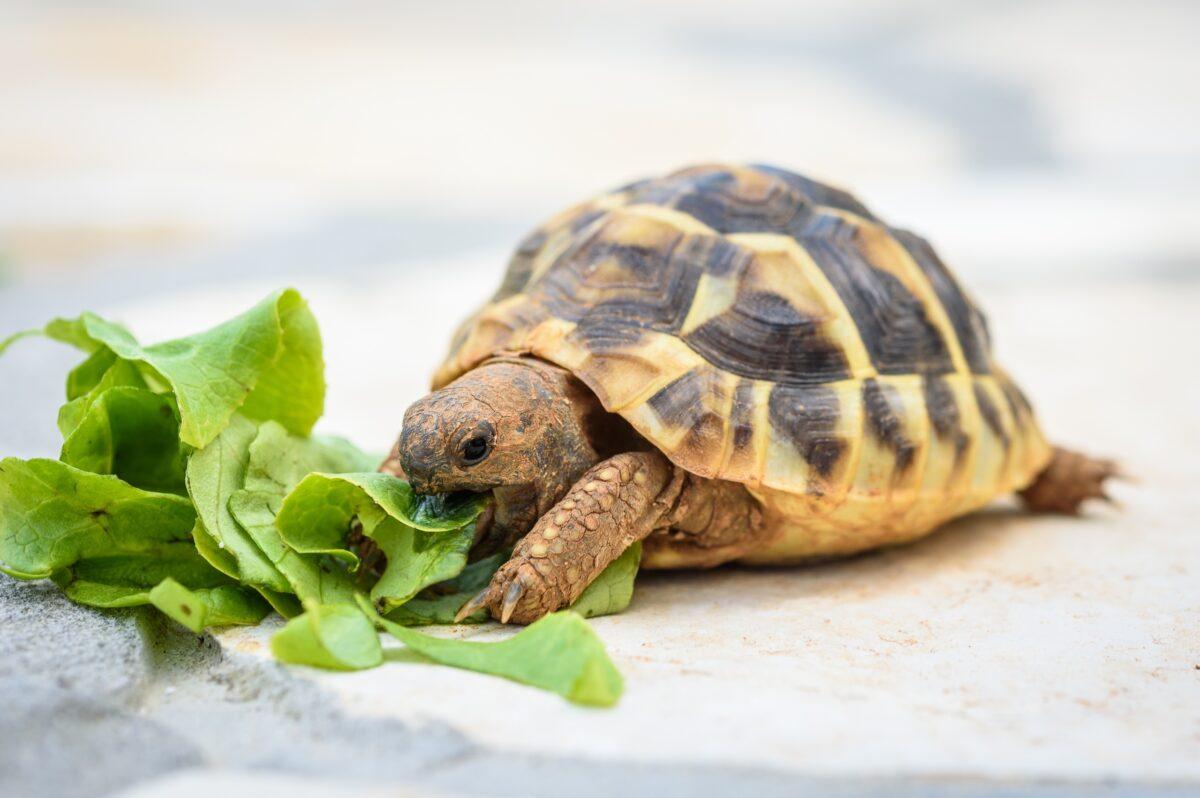
Tortoises
Tortoises are shelled reptiles that can live for decades! Without a proper husbandry setup, access to lighting, calcium balance, and beak and nail maintenance, tortoises may develop deformities and a reduced quality of life if left unaddressed.
When proper environmental conditions are met, tortoises are better able to digest and utilize the nutrients from their foods, such as pellets, greens, vegetables, insects, supplements, and fruits. Diet can also influence how tortoises respond to seasonal changes—with some species of tortoises experiencing hibernation during colder seasons, but it is important to know if your tortoise is one of those species!
Routine veterinary care for tortoises often focuses on shell integrity, nutrition, hydration, mobility, and vitamin and mineral balance, as well as early detection of chronic issues that may not be obvious at home.
Turtles
Turtles are shelled reptiles that require constant access to water in their environment. Without proper water quality, filtration, and basking areas, turtles can develop shell disease, skin infections, and respiratory or digestive issues.
When proper environmental conditions are met, turtles are better able to digest and utilize the nutrients from their foods, such as pellets, greens, vegetables, insects, supplements, and fruits. Diet can also influence how turtles respond to seasonal changes—with some species of turtles experiencing hibernation during colder seasons, but it is important to know if your turtle is one of those species!
Veterinary care for turtles often focuses on shell integrity, nutrition, hydration, and vitamin and mineral balance, as well as early detection of chronic issues that may not be obvious at home. Routine exams help ensure your habitat, diet, and lifestyle setup is positively contributing to your turtle’s long-term health.